Let’s honor the stories of those affected by dementia and Alzheimer’s disease. My father was a storyteller whose adventures — real and imagined — shaped our family. Dementia gradually took pieces of his vibrant memory, but the lessons from his life remain: resilience, curiosity, and the value of staying active in body and mind. While we cannot change the past, today we have more tools than ever to face the future with hope. New FDA-cleared blood tests are making earlier evaluation more accessible, and lifestyle choices — including regular physical activity — offer proven ways to support brain health.
This standing resource explores these advances, how families can recognize symptoms and discuss their concerns with physicians, and practical steps we all can take to promote cognitive wellness. Choosing proaction, we can better memorialize the stories of humankind — the lives and legacies of this generation and those to come.
Promising Blood-Based Biomarker Tests
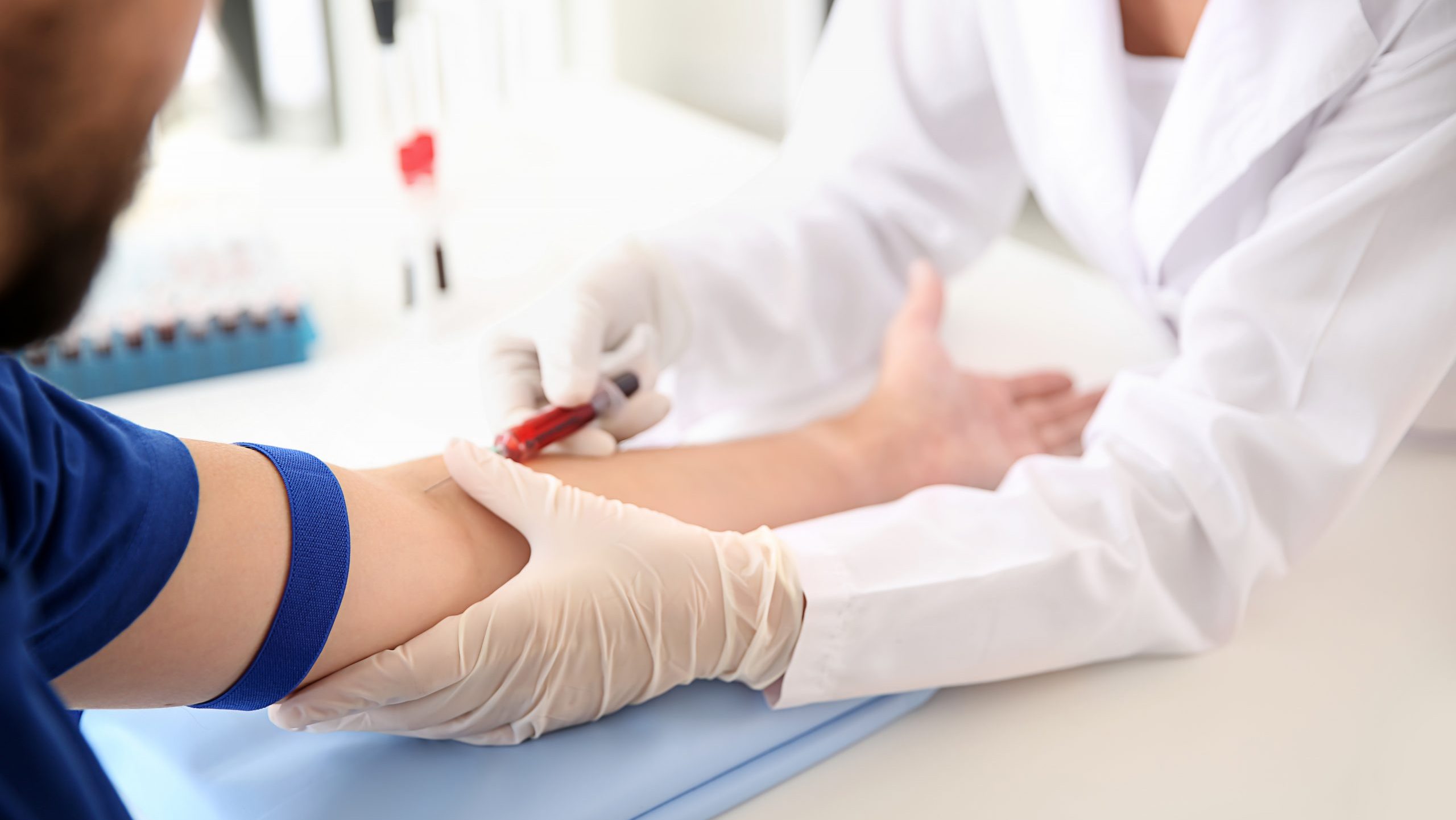
For decades, confirming Alzheimer’s-related changes often required costly PET scans or invasive lumbar punctures. Now, FDA-cleared blood tests are changing that landscape. These tests measure key biomarkers like phosphorylated tau (p-tau) and beta-amyloid proteins in plasma. They are not standalone diagnostic tools but valuable aids when used alongside clinical assessment for individuals showing cognitive symptoms. Those with strong family histories of, or physiological leanings towards later in life dementias, can self-advocate for early testing — there is strong evidence to suggest the markers can be detected as early as ones late fourties’. So seek evaluation early rather than late.
Here are three notable options:
- Lumipulse G pTau217-Amyloid (Fujirebio): FDA-cleared in May 2025, this test evaluates the ratio of p-tau217 to beta-amyloid 1-42. It is intended for adults aged 55 and older with signs and symptoms of cognitive decline, typically in specialized care settings. It aids in identifying amyloid pathology associated with Alzheimer’s.
- PrecivityAD2 (C2N Diagnostics): This test measures the ratio of Aβ42 to Aβ40 along with p-tau217, providing an Amyloid Probability Score. It supports evaluation in adults 50 and older with mild cognitive impairment or dementia symptoms. The test is available nationwide.
- Elecsys pTau181 (Roche): FDA-cleared in late 2025, this test is designed for primary care settings. It helps rule out amyloid pathology in adults 55 and older presenting with cognitive complaints, offering a strong negative predictive value for initial assessments.
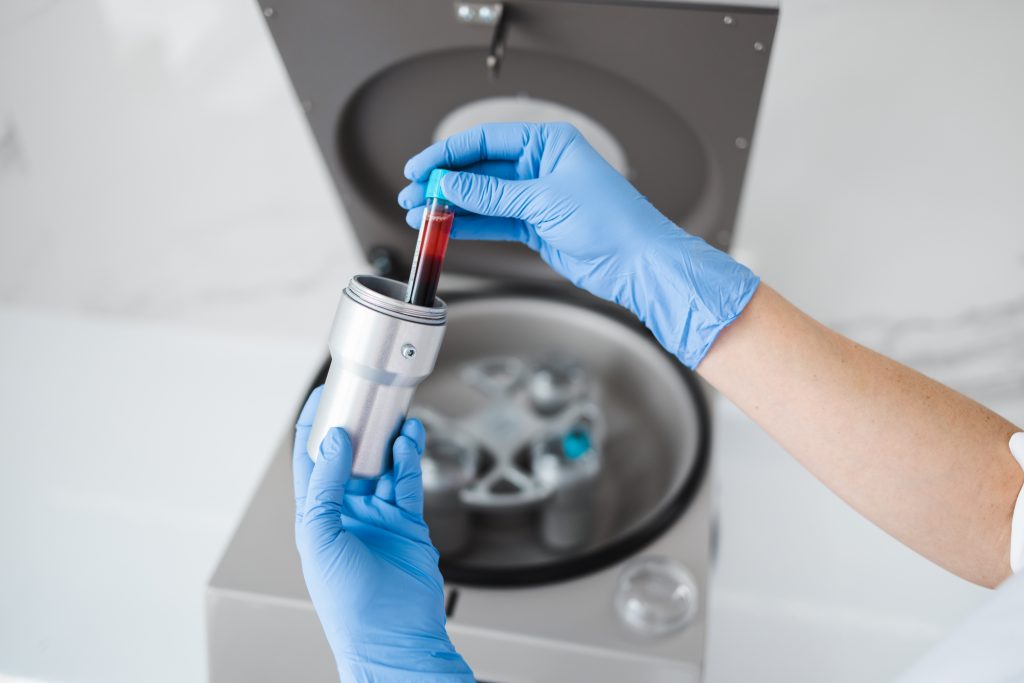
Practical Considerations: Physicians order these as part of a broader evaluation. Relevant CPT codes include 0503U for PrecivityAD2 and component codes (e.g., around 84393 for phosphorylated tau) for others — confirm with the lab. Coverage is evolving; Medicare (learn more here) and private insurers are expanding policies post-FDA clearance, but some costs may still be out-of-pocket (typically $500–$1,500 range). Documented medical necessity — age, symptoms, and clinical context — is essential for insurance reimbursement. Always verify coverages with your provider and carrier.
These tests can reduce reliance on more invasive procedures, shorten diagnostic journeys, provide time to mitigate some health factors and help families plan earlier.
Recognizing Symptoms and the Power of Open Conversations
Symptom awareness is one of the most important steps we can take. Changes often appear gradually, and caregivers or spouses frequently notice them first. Early discussion with a physician can lead to timely evaluation, including consideration of these new blood tests.
Common Early Signs (adapted from Alzheimer’s Association resources):
- Memory loss that disrupts daily life (e.g., forgetting recent conversations or repeating questions).
- Challenges with planning, problem-solving, or familiar tasks.
- Confusion with time, dates, or familiar places.
- Difficulty with visual/spatial relationships or finding words.
- Misplacing items and trouble retracing steps.
- Poor judgment or withdrawal from social/work activities.
- Mood or personality changes.
These differ from normal aging when they consistently interfere with daily function. Family history of Alzheimer’s (especially first-degree relatives) or other risk factors like cardiovascular conditions should also be shared with doctors.

Family and Caregiver Discussion Points:
- Start gently: “I’ve noticed some changes lately that worry me, and I care about getting the support we need. Can we speak a doctor together?”
- Involve the person: If they are unaware of their behavioral changes approach them. Respect their perspective and autonomy. Ask about their own feelings and awareness.
- Prepare observations: Keep a diary of specific, dated examples that caused concern.
- Key questions for physicians: Does this meet criteria for testing? What will results tell us? What are next steps, costs, and insurance options?
- Emphasize teamwork: Frame it as proactive care that can open doors to lifestyle support, treatments, or planning — not a definitive label.
Open conversations reduce isolation, enable earlier intervention, and strengthen family bonds. Resources like the Alzheimer’s Association offer guidance for these discussions.
Lifestyle Choices That Support Brain Health
While no single action guarantees prevention, research shows up to 40% of dementia cases may be influenced by modifiable factors. Physical activity is among the strongest protectors, improving cardiovascular health, reducing inflammation, and supporting brain structure and function.
Cycling as a Powerful, Low-Impact Option: Cycling stands out for its accessibility and multifaceted benefits. Studies link regular cycling to a 19% lower risk of all-cause dementia and 22% lower risk of Alzheimer’s compared to sedentary travel. It promotes greater hippocampal volume — crucial for memory.

Why cycling excels:
- Low-impact aerobic exercise: Gentle on joints while elevating heart rate and blood flow to the brain.
- Mental stimulation: Requires balance, coordination, spatial awareness, and navigation — engaging cognitive functions alongside physical effort.
- Mood and resilience: Outdoor rides reduce stress and foster a sense of freedom and accomplishment.
- Social and practical: Group rides build community; daily commuting integrates activity naturally.
- E-Bikes: electric assist bikes are almost ubiquitous today. They allow entry level access to cycling for a cost often less than a similarly capable conventional bicycle. Assist e-bikes offer the added benefit of allowing further travel distances with less effort, while still providing an aerobic benefit and mentally stimulating one stimulus.

Though we love cycling, it is not the only path — walking, swimming, dancing, strength training, or yoga will all contribute to improved well-being. The key is consistency and enjoyment. Combine movement with heart-healthy eating, quality sleep, blood pressure management, social connections, and mental engagement (anything from board games and puzzles to reading or new and challenging hobbies) for comprehensive brain support.
For caregivers, finding shared or personal activities preserves energy and models healthy habits.
Looking Forward with Hope
The arrival of accessible blood tests marks a significant step toward earlier, less burdensome evaluation. Paired with symptom awareness and proactive lifestyle choices, families gain more agency in navigating cognitive health.
At Ride to Remember, we believe in honoring the past by acting today. Talk with your doctor about any concerns. Explore movement that fits your life — perhaps starting with a gentle bike ride. Share stories, support research, and connect with others.
Dementia affects millions, but awareness, science, and daily choices light the way forward.
This is for informational purposes. Consult healthcare professionals for personalized advice. Visit ridetoremember.org for more resources on Alzheimer’s awareness and support.
— enjoy the ride
Further Reading and Resources
Blood Biomarker Tests
- FDA Announcement on Lumipulse G pTau217/ß-Amyloid 1-42 Plasma Ratio (First FDA-cleared blood test for Alzheimer’s amyloid detection):
https://www.fda.gov/news-events/press-announcements/fda-clears-first-blood-test-used-diagnosing-alzheimers-disease - Fujirebio Lumipulse G pTau217/β-Amyloid 1-42 Plasma Ratio:
https://www.fujirebio.com/en-us/products-solutions/lumipulser-g-ptau-217bamyloid-142-plasma-ratio - PrecivityAD2 Official Site (C2N Diagnostics):
https://precivityad.com - Roche Elecsys pTau181 FDA Clearance Announcement:
https://www.roche.com/investors/updates/inv-update-2025-10-13b - Alzheimer’s Association on New Blood Tests:
https://www.alz.org/news/2025/fda-clearance-blood-test-primary-care-rule-out-alzheimers-related-amyloid-pathology
Symptoms and Early Detection
- Alzheimer’s Association: 10 Early Signs and Symptoms of Alzheimer’s and Dementia:
https://www.alz.org/alzheimers-dementia/10_signs - CDC Signs and Symptoms of Alzheimer’s:
https://www.cdc.gov/alzheimers-dementia/signs-symptoms/alzheimers.html
Lifestyle, Exercise, and Prevention
- Physical Activity and Dementia Risk Reduction (Alzheimer’s Society UK):
https://www.alzheimers.org.uk/about-dementia/managing-the-risk-of-dementia/reduce-your-risk-of-dementia/physical-activity - Cycling and Reduced Dementia Risk Study Summary:
https://www.alzra.org/blog/cycling-may-lower-the-risk-of-alzheimers - Johns Hopkins: Small Amounts of Physical Activity and Dementia Risk:
https://publichealth.jhu.edu/2025/small-amounts-of-moderate-to-vigorous-physical-activity-are-associated-with-big-reductions-in-dementia-risk
Ride to Remember & General Alzheimer’s Resources
- Alzheimer’s Association Main Site (helpline, support, research):
https://www.alz.org - Ride to Remember Official Site:
https://ridetoremember.org
These links provide trustworthy, up-to-date information from government, nonprofit, and manufacturer sources. Always consult your healthcare provider for personalized advice, as medical guidelines and coverage can evolve.